
I have heard so many times, “Why does the Roman Catholic Church have so many rules?” But the quantity of rules is not an argument to avoid conversion. Just saying that the Church has a lot of rules is not an argument. At best it is a complaint, and at worse it is a whine. The fact is having rules is inevitable to any lifestyle. Be it laissez faire or anarchy, there will always be rules of conduct. Most religions have rules and even those who live without a religion must obey the laws of their country and the rules of their society. The reason why the Catholic Church is criticized for her rules is because the Church’s authority is in doubt by the critics.
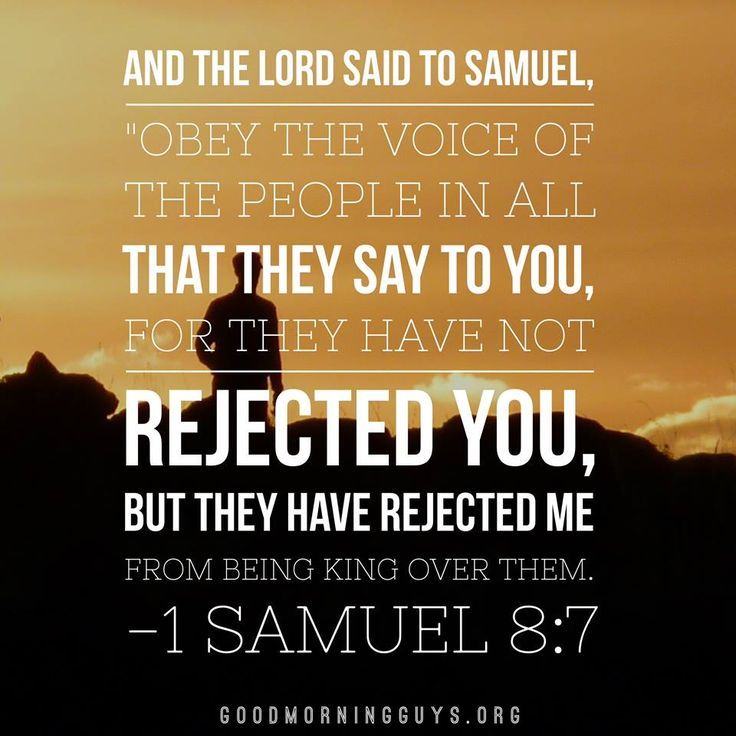
The modern American refuses to be obedient to an authority without cause. Long gone are the days where people were respected based solely on age, status, or accolades. Every person must justify themselves as an authority in order to be heard. In recent years, we have watched in horror as people with decades of experience and years of schooling were discarded for a ten second Tiktok influencer.
The Catholic Church has the additional handicap of being divinely instituted. As Jesus said to Pilate, “My kingdom is not of this world. If it were, my servants would fight to prevent my arrest by the Jewish leaders. But now my kingdom is from another place.” Therefore, it is all too easy to dismiss the Catholic Church because it goes against worldly thinking. The Catholic Church possesses the Deposit of Faith (CCC 84), but that matters little to those who find her teachings inconvenient.

One of the differences between the Roman Catholic Church and the other Christian denominations is how objective the Church views Authority. I want to be clear what I mean by objective. Objective is when something exists outside of the subject. The subject is the being perceiving the world. For something to be objective, it needs to exist independent of the subject. Think about how babies struggle with object permanence. If the baby can see and touch something, then that thing exists. If that thing can no longer be seen nor touch, then the baby does not know it exists. This is why babies are easily surprised with peek a boo. To believe something is objective means that that thing exists whether we perceive it or not.
Now, the Catholic Church believes that Authority is something objective. As in, it is something that can be passed along similar to the torch being passed during the Olympics. There is even biblical evidence for this objective understanding of Authority. Let us look at Isaac/Jacob, Moses/Joshua, and Elijah/Elisha.
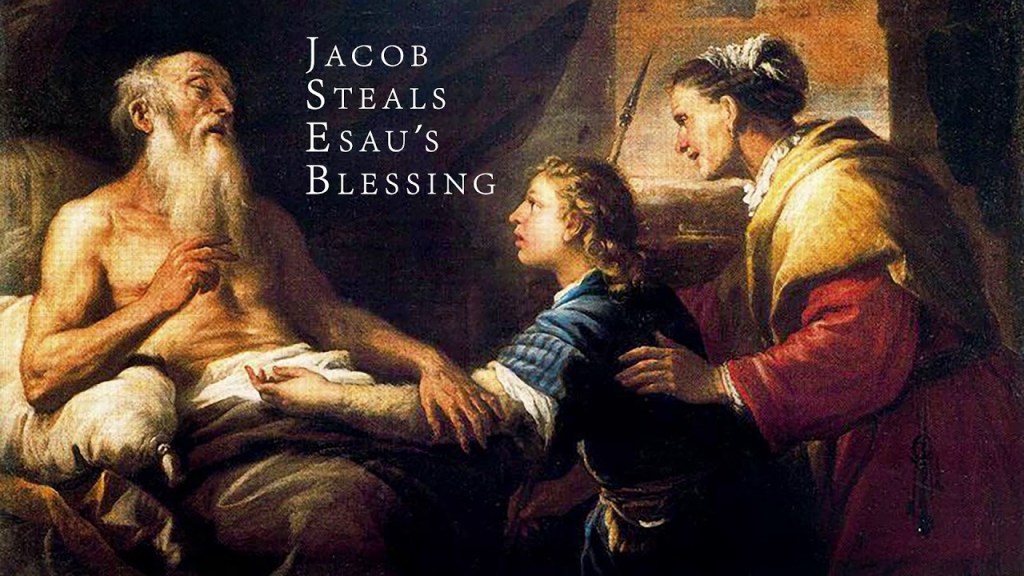
First, there is Isaac giving his blessing to his son Jacob. Once Isaac gave away his blessing there was no blessing to give to Esau. Isaac no longer possessed the authority necessary, because the authority was transferred to Jacob with no way to take it back.
After Isaac finished blessing him, and Jacob had scarcely left his father’s presence, his brother Esau came in from hunting. He too prepared some tasty food and brought it to his father. Then he said to him, “My father, please sit up and eat some of my game, so that you may give me your blessing.”
His father Isaac asked him, “Who are you?”
“I am your son,” he answered, “your firstborn, Esau.”
Isaac trembled violently and said, “Who was it, then, that hunted game and brought it to me? I ate it just before you came and I blessed him—and indeed he will be blessed!”
When Esau heard his father’s words, he burst out with a loud and bitter cry and said to his father, “Bless me—me too, my father!”
But he said, “Your brother came deceitfully and took your blessing.”
Esau said, “Isn’t he rightly named Jacob? This is the second time he has taken advantage of me: He took my birthright, and now he’s taken my blessing!” Then he asked, “Haven’t you reserved any blessing for me?”
Isaac answered Esau, “I have made him lord over you and have made all his relatives his servants, and I have sustained him with grain and new wine. So what can I possibly do for you, my son?”
Genesis 27:30-37
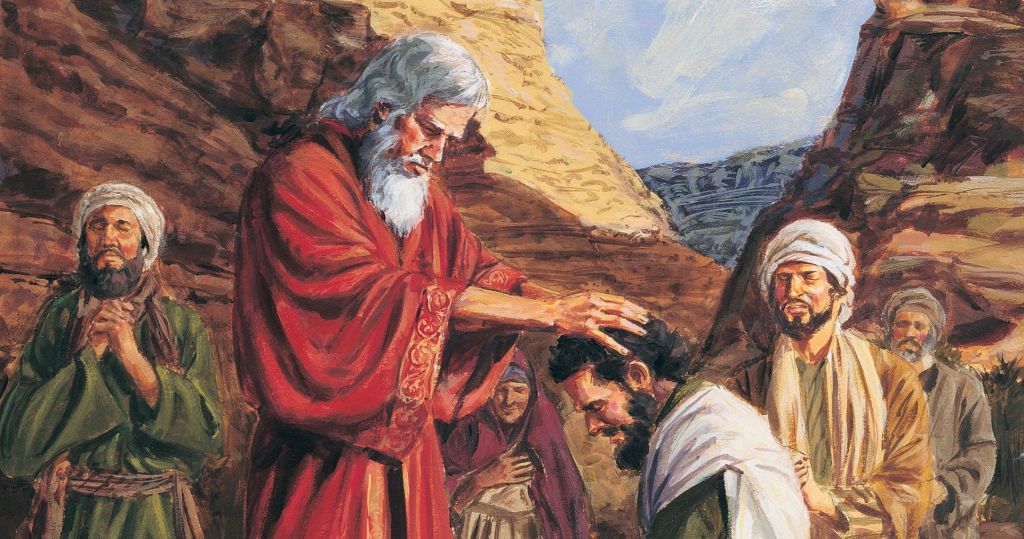
Second, Moses gave his authority to Joshua before entering the Holy Land.
So the Lord said to Moses, “Take Joshua son of Nun, a man in whom is the spirit of leadership, and lay your hand on him. Have him stand before Eleazar the priest and the entire assembly and commission him in their presence. Give him some of your authority so the whole Israelite community will obey him. He is to stand before Eleazar the priest, who will obtain decisions for him by inquiring of the Urim before the Lord. At his command he and the entire community of the Israelites will go out, and at his command they will come in.”
Numbers 27:18-21
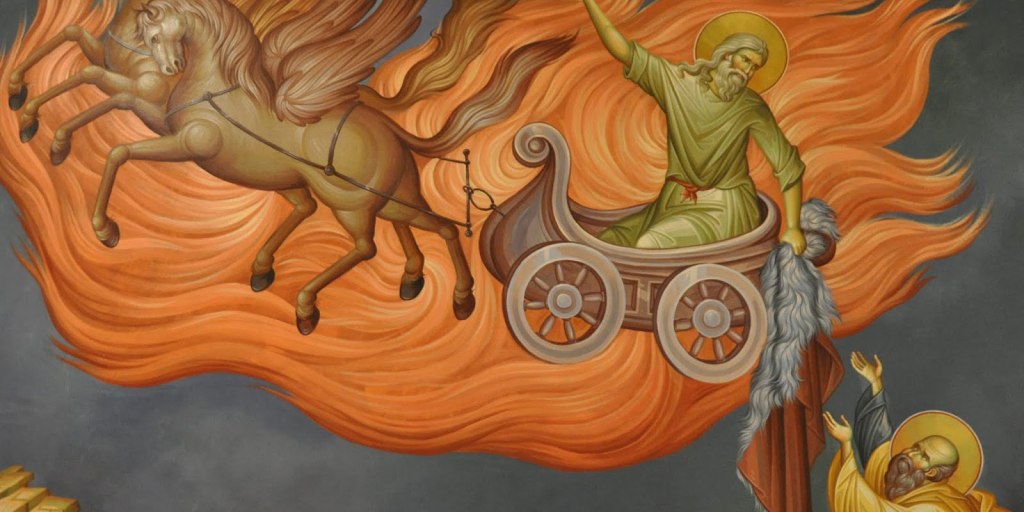
Third, Elijah gives his authority to Elisha.
When they had crossed, Elijah said to Elisha, “Tell me, what can I do for you before I am taken from you?”
“Let me inherit a double portion of your spirit,” Elisha replied.
“You have asked a difficult thing,” Elijah said, “yet if you see me when I am taken from you, it will be yours—otherwise, it will not.”
The company of the prophets from Jericho, who were watching, said, “The spirit of Elijah is resting on Elisha.”
2 kings 2:9-10, 15a
There are other instances in the bible, but this should do. Authority was considered an objective quality. Authority could be bestowed and could be passed along. Regardless of what other people say, the authority of the Catholic Church was instituted by God. Therefore, in the realm of Faith and Morals, it is right and just to obey the Roman Catholic Church. The authorities of the Catholic church are Sacred Scripture, the Magisterium, and Tradition.
It is clear therefore that, in the supremely wise arrangement of God, sacred Tradition, Sacred Scripture and the Magisterium of the Church are so connected and associated that one of them cannot stand without the others. Working together, each in its own way, under the action of the one Holy Spirit, they all contribute effectively to the salvation of souls.
Catechism of the Catholic Church (CCC) 95
This claim must not be dismissed lightly. Many people are eager to say that institutions or organized religion was not a part of God’s plan, but both in the Old Testament and New Testament institutions were put in place to distribute God’s Grace and Mercy. The very sacraments of the Catholic Church are only possible because of the authority given to the bishops through Holy Orders. If we dismiss the bishop’s authority, then all the other sacraments will no longer be available to the laity.
The new testament have examples of how important it is to have authority. The most popular example is Peter being given the keys to the kingdom of Heaven. (Matthew 16:19) Peter and John had to follow up Phillip’s baptisms, because the recently Baptized had not yet been confirmed with the Holy Spirit. (Acts 8:14-17) A Jewish exorcist failed to do an exorcism, because they did not have the proper authority. (Acts 19:11-20) Even Jesus sending out the apostles was only made possible, because Jesus gave them the authority to do so. (Mathew 10:1)
We must pay attention to passages in the bible such as John 20:21-23, “Again Jesus said, “Peace be with you! As the Father has sent me, I am sending you.” And with that he breathed on them and said, “Receive the Holy Spirit. If you forgive anyone’s sins, their sins are forgiven; if you do not forgive them, they are not forgiven.” It is passages like these that provide biblical evidence to the sacredness of the sacraments that are distributed by the authority of the Roman Catholic Church. The passage in John 20 is why the Catholic Church not just allows but encourages confessing our sins to a priest in the sacrament of Confession. Going to a “man” to confess our sins makes a lot more sense when the authority to forgive does not solely belong to the Son of Man (Matthew 9:6), but also to His priests through the sacrament of Holy Orders.
The most shocking example of authority is when Jesus endorses the PHARISEES, “Then Jesus said to the crowds and to his disciples: “The teachers of the law and the Pharisees sit in Moses’ seat. So you must be careful to do everything they tell you. But do not do what they do, for they do not practice what they preach.” (Matthew 23:1-3) Moses’ seat or the Chair of Moses is the Jewish precedent that led to the Chair of Peter. The Pharisees preached the Law faithfully, but they did not practiced it. So, listen to those that have authority, but only follow those who have authority if they are obedient servants of the Lord.
Does the Catholic Church have a lot of rules? Sure! Of Course! It is quite annoying in fact. However, it does not change that the Roman Catholic Church have authority in the realm of Faith and Morals. We must obey the Roman Catholic Church in ordered to be shepherded towards heaven. As Saint Peter said so long ago, “Lord, to whom shall we go? You have the words of eternal life.” (John 6:68) The Catholic Church may have a lot of rules, but to whom shall we go? Salvation can only be found through the Roman Catholic Church.
“The sole Church of Christ [is that] which our Savior, after his Resurrection, entrusted to Peter’s pastoral care, commissioning him and the other apostles to extend and rule it. . . . This Church, constituted and organized as a society in the present world, subsists in (subsistit in) the Catholic Church, which is governed by the successor of Peter and by the bishops in communion with him.”
The Second Vatican Council’s Decree on Ecumenism explains: “For it is through Christ’s Catholic Church alone, which is the universal help toward salvation, that the fullness of the means of salvation can be obtained. It was to the apostolic college alone, of which Peter is the head, that we believe that our Lord entrusted all the blessings of the New Covenant, in order to establish on earth the one Body of Christ into which all those should be fully incorporated who belong in any way to the People of God.”
Catechism of the Catholic Church 816
 The Average Catholic: More Articles Here!
Leave a comment