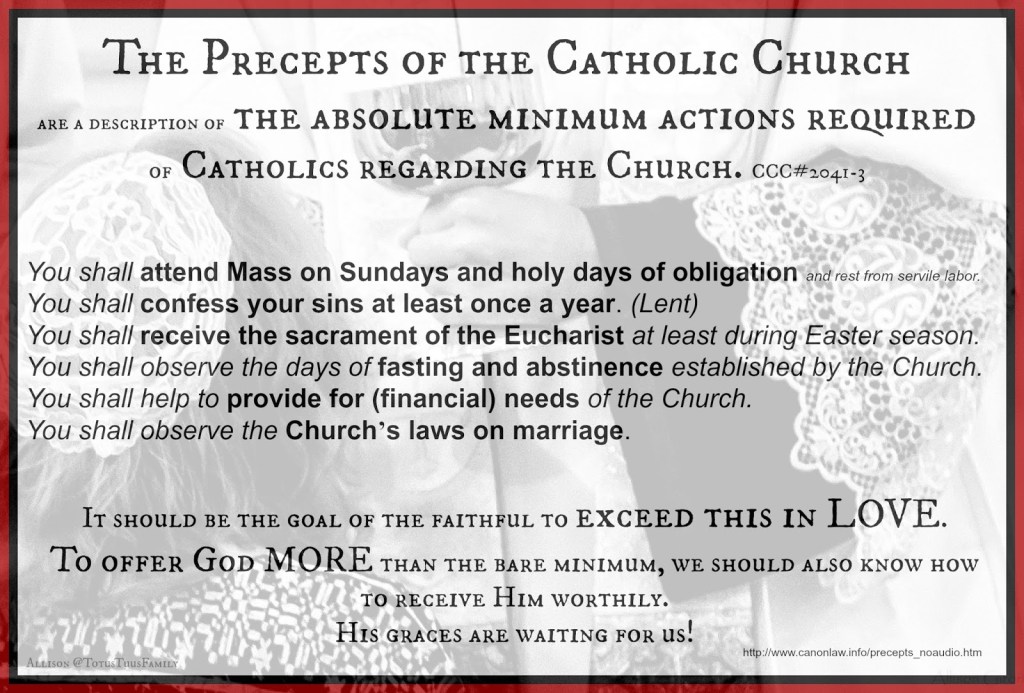
We are all striving to be average Catholics, but all Catholics are called to go to Heaven! A common question arises of “What is the bare minimum that I have to do to get into Heaven?” Another day, I will talk about the flaws of this mindset, but today I will simply give an answer. The bare minimum standard is the precepts of the Catholic Church.
The precepts of the Church are set in the context of a moral life bound to and nourished by liturgical life. The obligatory character of these positive laws decreed by the pastoral authorities is meant to guarantee to the faithful the very necessary minimum in the spirit of prayer and moral effort, in the growth in love of God and neighbor:
Catechism of the Catholic Church (CCC) paragraph 2041
You can find the precepts of the Catholic Church in the Catechism paragraphs 2041 – 2043. They are the bare minimum that a Catholic should do in order to stay in the state of grace. The state of grace is simply being in right relationship with God. Now, DISCLAIMER, we as humans can never truly know whether or not a person is in right relationship with God. That is for God and God alone to know. However, out of mercy, the magisterium of the Catholic Church gave us precepts in order to have reasonable confidence that we are in right relationship with God.
I am writing this blog to reclaim what it means to be “average” Catholic. The precepts of the Catholic church offer a bare minimum, but the tragedy is that few Catholic know that they exists let alone practice them. If you are Catholic, and these precepts of the Catholic Church challenge you, then fear not! I am with you. I am praying for you. Together, we can grow as holy as we ought to be! I’m already proud of you for reading this! You’re doing great!
Before we go through the list, we need to know a bit more about what grace is. Grace is a word often used, but without a deep theological understanding. The catechism defines grace as, “Grace is favor, the free and undeserved help that God gives us to respond to his call to become children of God, adoptive sons, partakers of the divine nature and eternal life. Grace is a participation in the life of God.” (CCC 1996-1997) If Heaven is life with God, and Grace is participation in the life of God, then grace is when we live heaven on Earth! Put in a negative way, if you refuse grace you refuse life with God, and Hell is life without God. Therefore, refusing grace in your life is living Hell on Earth.
Now that we understand grace a bit better, then we can appreciate why the precepts of the Catholic church are so important. If we want to go to heaven, then we will need grace to get there. If we want grace, then we need to understand how to receive grace and how to utilize the grace given to us virtuously. The precepts of the Catholic Church tells us where and how to receive grace in order to get the BARE MINIMUM. Praise the Lord that we have a generous God that wishes to shower us with His Grace. There is an abundance of devotions in the Catholic Church. And those who are average Catholics should find the precepts not only easy but scandalous to live without.
The first precept (“You shall attend Mass on Sundays and holy days of obligation and rest from servile labor”) requires the faithful to sanctify the day commemorating the Resurrection of the Lord as well as the principal liturgical feasts honoring the mysteries of the Lord, the Blessed Virgin Mary, and the saints
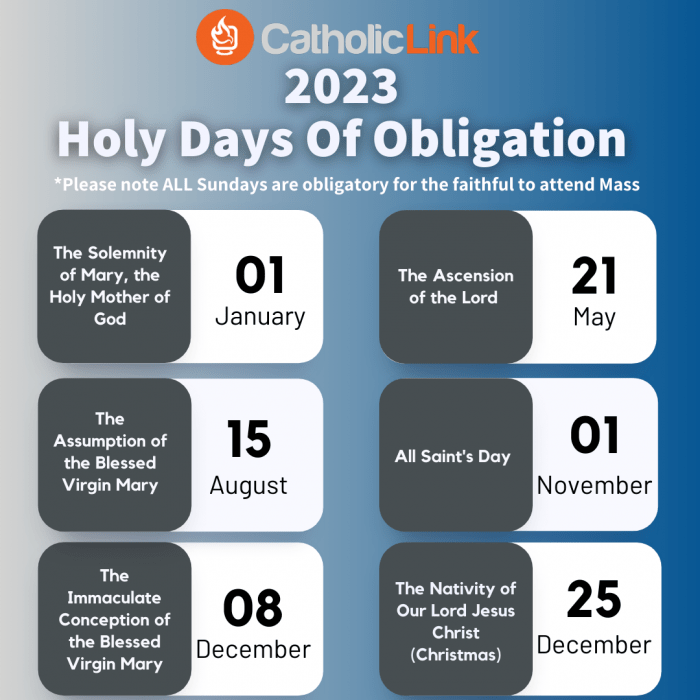
The first precept, insists that the average Catholic attends Mass on Sundays and Holy Days of Obligations. The Eucharist is the source and summit of the faith and can only be found physically receiving the Eucharist at Mass or Extraordinary minister of Holy Communion. That is 52 Sundays plus the six days of obligation. That is 58 Sundays or (Assuming 45 minute masses God willing) 2,610 minutes the church ask us to spend AS A COMMUNITY worshipping and studying God.
The community is the essential part in this precept. No man is an island. Being Catholic is not meant to be a solo journey. The faith is designed to be shared as a community. The average Catholic should have a strong support system that supports them on their pilgrimage to heaven. Unfortunately, streaming masses are becoming popular and it’s causing our communities to be more broken and isolated. There is no replacement to being physically present in Church to receive the graces being offered in mass.
The second precept (“You shall confess your sins at least once a year”) ensures preparation for the Eucharist by the reception of the sacrament of reconciliation, which continues Baptism’s work of conversion and forgiveness.
The second precept is a recognition of how difficult it is to be Catholic. We are called to “Be perfect as our Heavenly Father is perfect.” Matthew 5:48 Perfection here does not mean flawless. It means maximizing our potential as Saints. We will make mistakes and mess up and be pinnacles of what not to do. However, we are given the sacrament of confession to assist us. We need to hear the words the priest say in persona Christi (the person of Christ). “I absolve you of your sins in the name of the Father and the Son and the Holy Spirit. Go in peace.”
The precept is once a year, but a good practice is once a month. If you struggle with going to confession, then recognize what happens during confession. You take ownership of your actions. You admit that you sinned, harmed yourself or others. You claim your actions as a part of your identity, but do not leave it there. During confession, you also RENOUNCE your sins. You say, “what I did was wrong and it should not happen!” What a powerful statement!
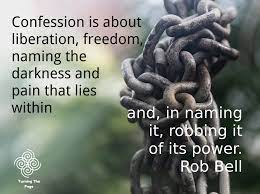
Once a year is all the church asks to admit where you went wrong, but also to reaffirm your conviction to do what is right. The sad part about not going to confession is that you don’t have many opportunities to proclaim what you believe is right. The grace of going to confession is growing in the conviction that sin is wrong and that sin has no power over you. Everyone is made good. It is confession that we can proclaim loudly, “I am meant for Goodness! I am meant for Heaven and life with God.”
The third precept (“You shall receive the sacrament of the Eucharist at least during the Easter season”) guarantees as a minimum the reception of the Lord’s Body and Blood in connection with the Paschal feasts, the origin and center of the Christian liturgy.
The third precept makes me feel all warm and fuzzy. The necessity for this precepts came about during a time when few dared to receive the eucharist. There was a heighten sense of scrupulosity where people obsess over their sinfulness and do not believe that they are worthy of God’s love. The third precepts reminds us that Jesus Christ died on the cross, descended to Hell, and rose from the grave. He conquered sin out of love for His people. He knows that we are sinners, but even while we were sinners He died on the cross for us. (Romans 5:8)
This precept says that we must receive the Love of God. We are meant to receive the graces and mercy that comes from Jesus’s death and resurrections. You are worth it. You are Loved. You are Good. You are worth dying for. Please, come to the church during Easter. Let us rejoice and be glad, because He has risen as He said. Let us be the Easter people that we are! God wants to live with us. Why would we keep him away?
The fourth precept (“You shall observe the days of fasting and abstinence established by the Church”) ensures the times of ascesis and penance which prepare us for the liturgical feasts and help us acquire mastery over our instincts and freedom of heart.
The fourth precept is meant to emphasize the self-denial aspect of Catholicism that is indispensable. Ascetism is the practice of denying the body in order to be more open to spiritual realties. Ascetism is most commonly practiced as fasting or a denial of eating certain foods. Romans 6 shows the battle between what the flesh craves and what the spirit needs. The practice of Ascetism is meant to control our bodily urges in order to be more available to spiritual impulses. How can you sit in quiet prayer if your body craves noise? How can you resist impurity if you never practice denying your body? The third precept reminds us what Saint Paul tells us, “You have been set free from sin and have become slaves to righteousness.” (Romans 6:18)
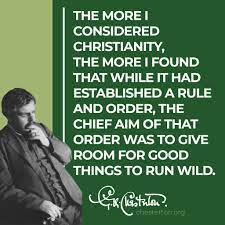
The days of fasting is actually just two days: Ash Wednesday and Good Friday. It is simple of no meat and having less food than you normally would eat. However, the average Catholic should have a regular routine of self-denial. For example, the USCCB requests that every Friday will be a day of penance in commemoration for the Death of Jesus on Good Friday. In the past, that meant abstaining from meat or “Land Flesh”. Now a days, if you wish to eat meat, then you are asked to do an alternative penance such as additional prayer or a different type of self-denial.
The fifth precept (“You shall help to provide for the needs of the Church”) means that the faithful are obliged to assist with the material needs of the Church, each according to his own ability.
This precept is the most general, but it is also the most demanding. We are called to be Catholic every day of the year. We are called to be a part of the Church. That means actively serving in the church. There are three things that we are able to give: time, talent, and treasure. Time is when we volunteer hours to help with ministries or service opportunities. Talent is when we have particular skills or abilities that we are willing to share. Treasure is simply monetary donations.
The average Catholic must be active in their parish. If you don’t know how to get involved. There is usually liturgical responsibilities such as usher, greeter, lector, or Extraordinary minister of Holy Communion. There should also be youth groups or young adult groups. Not to mention non-profits such as saint Vincent De Paul and local food pantries. Be bold! If there is nothing in your area, then start your own ministry.
No one should be surprised that you are Catholic. We as Catholic must have a craving to give ourselves to the community. It is only fitting because Jesus Christ gave His life on the cross and we are called to follow His example. So, if you have been languishing in sorrow and are not involved with your parish. I urge you to get involve somewhere. The Catholic faith is not meant to live alone. You can only benefit by providing for the needs of the Church. Go forth!

These are the precepts of the Catholic Church. They offer the bare minimum standard for a Catholic. If you do not follow these precepts, then please stop calling yourself an average Catholic. By definition, you are below the minimum and well below the average. If these precepts challenge you, then that’s wonderful! You have a blue print of where to grow and what to work on. It’s hard work in the vineyard, but we want as many people as possible.
I am praying for you! I love you! You are Good! God Bless you!
 The Average Catholic: More Articles Here!
Leave a comment